
THANK YOU FOR SUBSCRIBING


Logistics Tech Outlook Weekly Brief
Be first to read the latest tech news, Industry Leader's Insights, and CIO interviews of medium and large enterprises exclusively from Logistics Tech Outlook


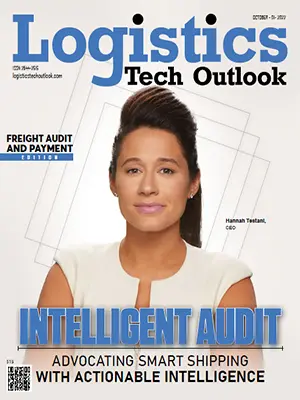
 Hannah Testani, CEO
The shipper transformation starts with partnering with a company with the reputation of best-in-class freight auditing. Still, it is at the forefront of applied data, using modern technology, such as machine learning to more quickly surface issues and guide shippers to logistics network optimization.
“Shippers have several initiatives like tracking inventory flows, maintaining delivery schedules, or clearing supply chain backlogs.
Intelligent Audit’s platform provides actionable data intelligence. Hence, shippers see meaningful insights from their freight audit data to make data-based decisions as a guide to optimize their logistics networks,” says Hannah Testani, CEO of Intelligent Audit.
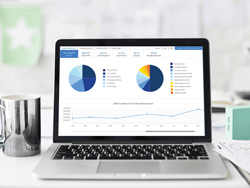
The renowned technology services company’s portfolio of automated audit and freight recovery, business intelligence, and transportation optimization solutions is focused on reducing clients’ total transportation costs.
Shippers who have insight into their shipping activity, shipping spend and analytics for better decision-making can optimize their supply chain using facts and data, not emotions or anecdotes. Furthermore, the insights help shippers develop better transportation strategies and prevent over-billing on shipments through anomaly detection powered by machine learning.
Freight Auditing with a Difference
Intelligent Audit’s comprehensive freight audit and recovery platform leverage groundbreaking technologies like AI and ML to bring a revolutionary level of supply chain transparency. It automatically reviews and validates all kinds of shipments, helping shippers verify freight charges and avoid additional shipment costs.
Typically, customers’ supply chain data feeds across WMS, TMS, OMS, or transportation invoices don’t score high, so they are neither insightful nor actionable. Intelligent Audit applies machine learning algorithms to customers’ data to refine the quality and search for anomalous patterns in those datasets.
Intelligent Audit’s proprietary platform provides full freight audit functionality across all transportation modes and regions with strong expertise in deep learning models that are extremely good at bucketing long and short term patterns.
Take the case of a heavy freight company with a few hundred thousand freight shipments a year across LTL, air, ocean, and other modes of transportation. As their freight auditing process was bottlenecked by archaic technology processes and lack of data transparency, they could not use that data to make smarter procurement decisions or fuel their logistic operations. But it all took a different turn as soon as the company onboarded Intelligent Audit as their freight audit partner.
Since none of the executives at the freight company had ever gone through the process of questioning the data integrity and truly cleaning it to make it transformative, Intelligent Audit first took their invoice data. Then, it cleansed it with its business intelligence and analytics platform.
After the cleansing stage, Intelligent Audit clearly showed the client the specific lanes where they were using carriers with poor performance and slow transit times, increasing their costs.
“Having a concise overview of their transportation data through one platform enabled our client to make transformative decisions regarding future transportation strategies and reduce shipping costs with increased supply chain visibility,” says Testani.
Shippers have several initiatives like tracking inventory flows, maintaining delivery schedules, or clearing supply chain backlogs. In addition, shippers use the Intelligent Audit platform provides actionable data intelligence. Hence, shippers see meaningful insights from their freight audit data to make data-based decisions as a guide to optimize their logistics networks
Helping Customers Scale with Confidence
Besides helping organizations deliver faster to their consumers at cost-efficient rates, Intelligent Audit focuses on empowering shippers to ship efficiently. It is aware of the difficult of predicting ‘what if scenarios’ withOUT statistical models. IA is aware of the difficulty in predicting ‘what if scenarios’ with statistical models and data simulations. Therefore, it requires advanced technologies. Intelligent Audit empowers its customers with its proprietary business intelligence platform to access up-to-the-minute advanced transportation analytics for shippers who ship anywhere from 10 shipments per week to over one hundred million shipments a year.
The Tokens of Success
Best articulating the proficiency of Intelligent Audit’s state-of the-art platform is a series of success stories where companies have overcome supply chain silos and improved transportation networks, achieving greater operational efficiency.

After deploying Intelligent Audit’s highly advanced platform, the company began actioning over $50M worth of cost-saving initiatives identified through the IA software. The system identified distribution centers using the wrong box sizes, paying for dead space, premium express services where ground shipping was faster and cheaper, and various options where regional carriers could have serviced them better. The platform revealed they were paying a lot for dead space and using air freight where regional carriers and ground transportation would be faster and more cost-effective. The client immediately changed its freight network, reducing expenses and increasing delivery speed.
Staying true to its vision of promoting smart shipping in the digital age, Intelligent Audit plans to keep enhancing and upgrading its platform to help more companies convert massive amounts of disparate data into actionable business intelligence in real time. Intelligent Audit is also working toward helping companies moderate shipping costs based on the shipment’s contents.
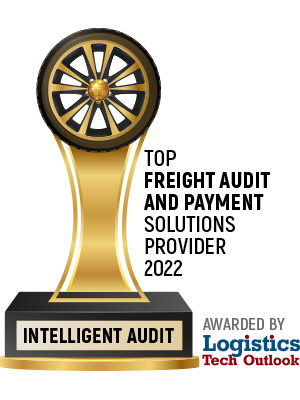
Company
Intelligent Audit
Management
Hannah Testani, CEO
Description
Intelligent Audit is the leading technology services company focused on reducing transportation costs through automated audit and freight recovery, business intelligence, and transportation optimization solutions. They use data-driven analytics and reporting to identify trends, examine current business activities and needs, and detect areas for improvement and optimization.